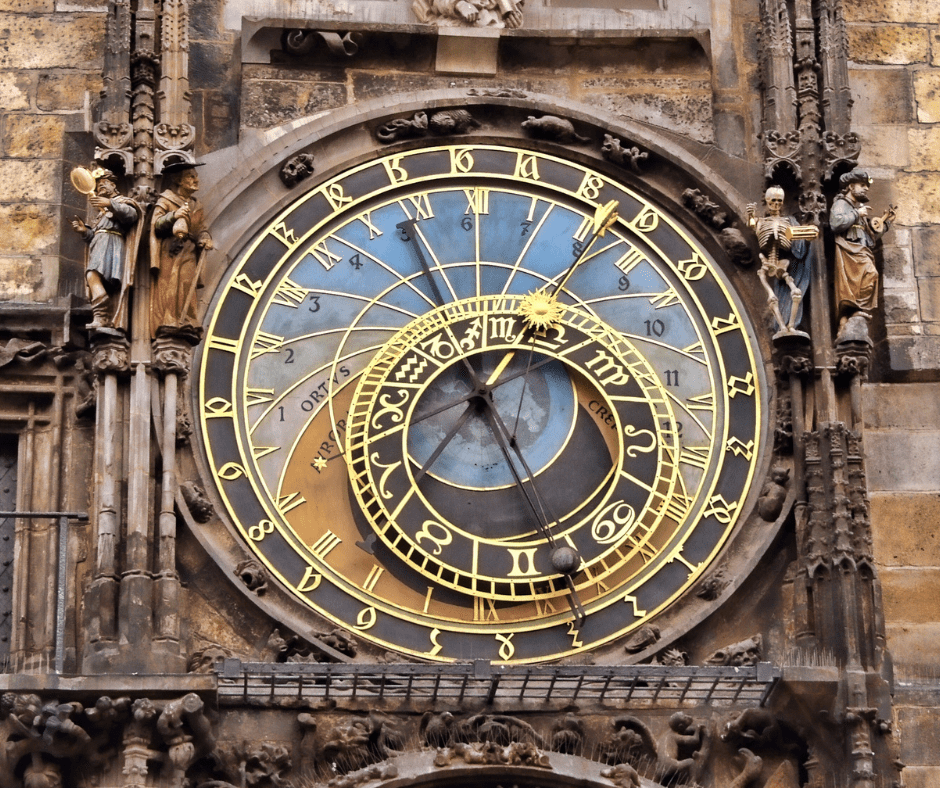
The planets in your birth chart represent different aspects of your personality and how you experience life.
To ancient astrologers, the planets were seen as the will of the gods, shaping human destiny.
Today, modern astrologers view them as symbols of different drives, energies, and subconscious patterns that influence how you think, feel, and act.
The planets express themselves differently depending on which zodiac sign they’re in and where they sit in your birth chart.
To start off, we can group the celestial bodies into five main categories:
Personal Planets
The inner planets move quickly through the zodiac, influencing your day-to-day experiences and personal traits.
Sun
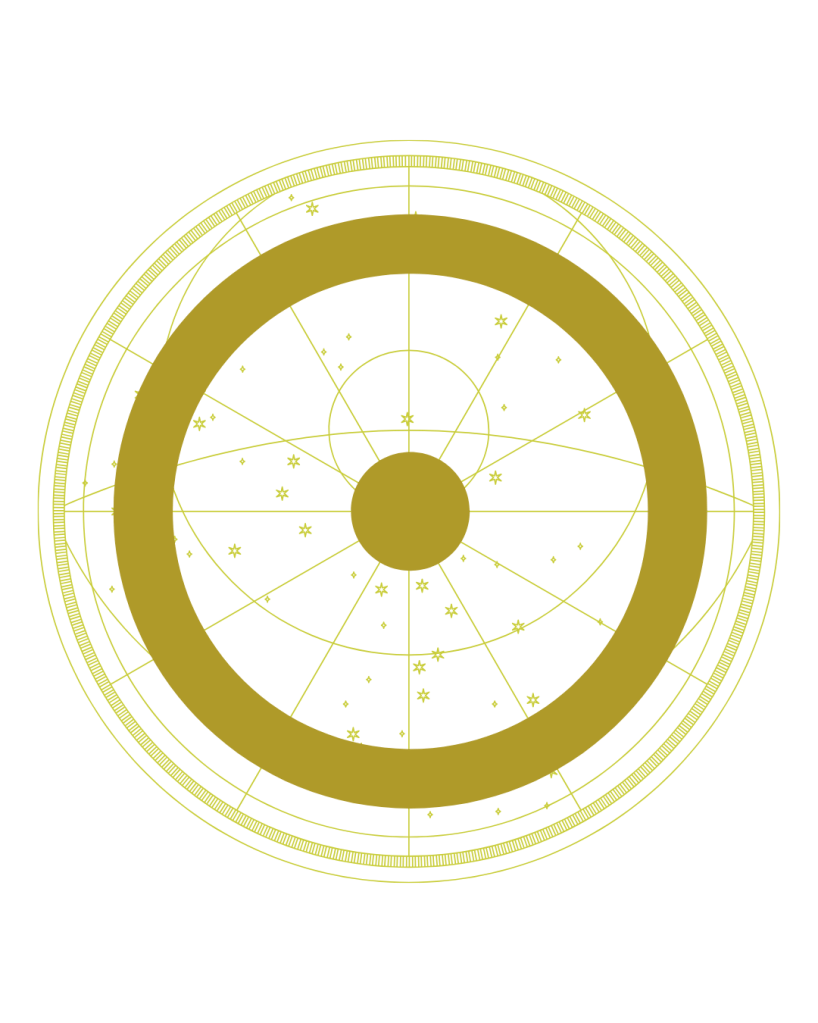
Your Sun sign is the core of who you are—the energy that lights you up and the version of yourself you show the world.

Moon
Your Moon sign reflects your emotions—the hidden part of you that only comes out when you feel safe.

Mercury
Mercury governs how you think and speak, shaping how you express yourself and process the world around you.
Venus
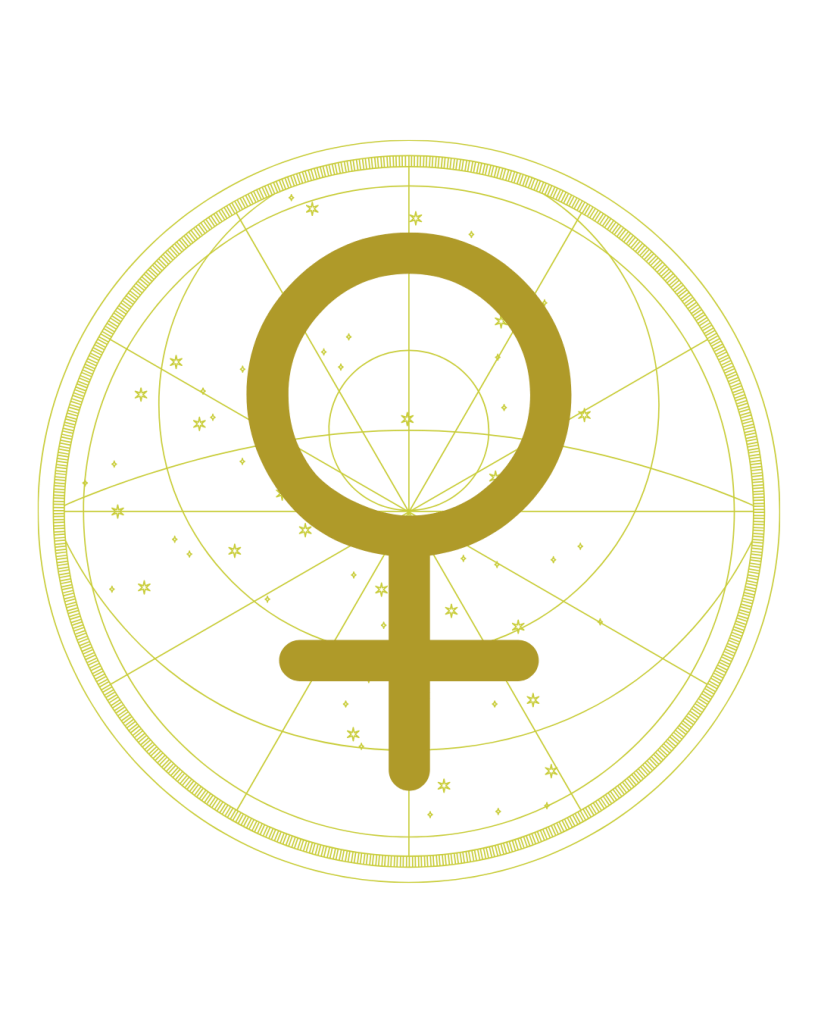
Venus rules what you’re drawn to in love, art, and pleasure. This is the way you indulge, create, and connect.

Mars
Mars is what gets you out of bed in the morning. This is how you pursue your passions, your inner fire.
Social Planets
Social planets shape how you grow through relationships, community, and your place in the world.

Jupiter
Jupiter brings luck and growth. This is where you’re naturally blessed and where you grow the most.

Saturn
Saturn is the stern teacher within your chart. It shows where you are naturally limited, and what you need to work on to better yourself.
Outer Planets
The outer planets—Uranus, Neptune, and Pluto—move slowly and influence entire generations. In modern astrology, they’re seen as transpersonal or transcendental, shaping collective themes like progress, ideals, and transformation.
Because their sign placements are shared by many people, they don’t reflect your personality on their own. To understand how they affect you personally, look at:
- The house they’re in
- Aspects to your personal planets (Sun, Moon, Mercury, Venus, Mars)
Also worth noting: domiciles, dignities, and debilities for outer planets are only used in modern astrology, and are still hotly debated by traditional astrologers today.

Uranus
Uranus is the disruptor. This is the part of you that resists the status quo and craves freedom.
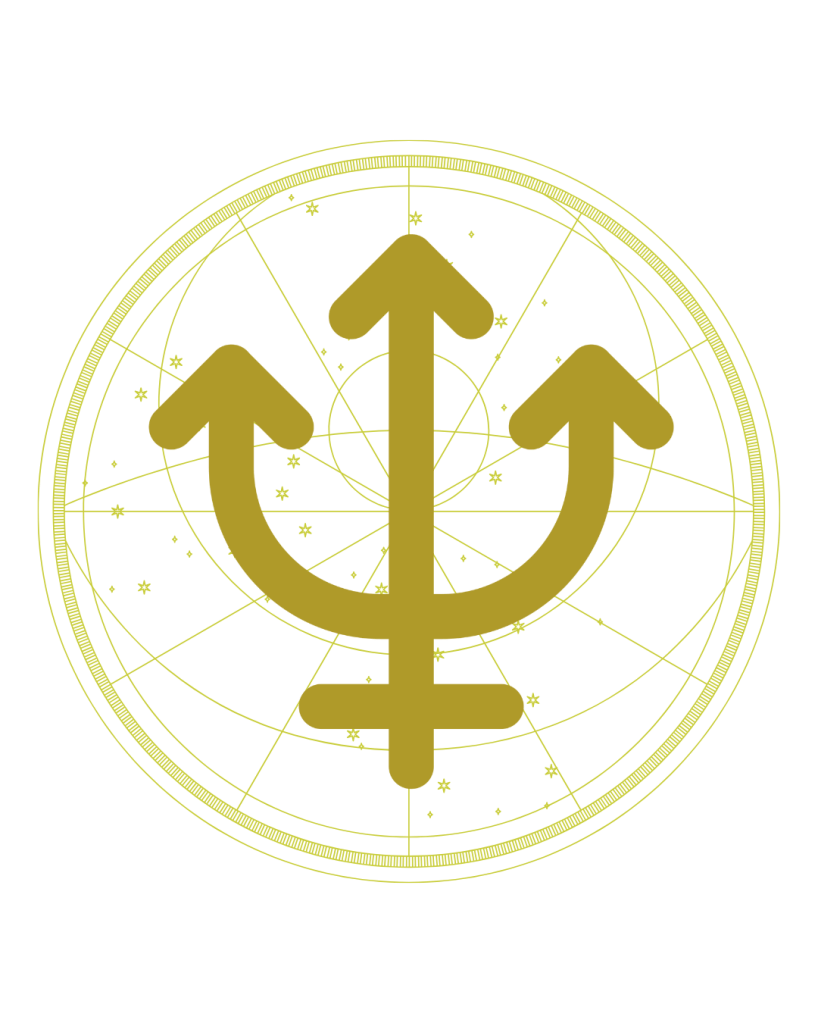
Neptune
Neptune governs dreams and illusions. This is where you feel inspired, but also where you might lose yourself.
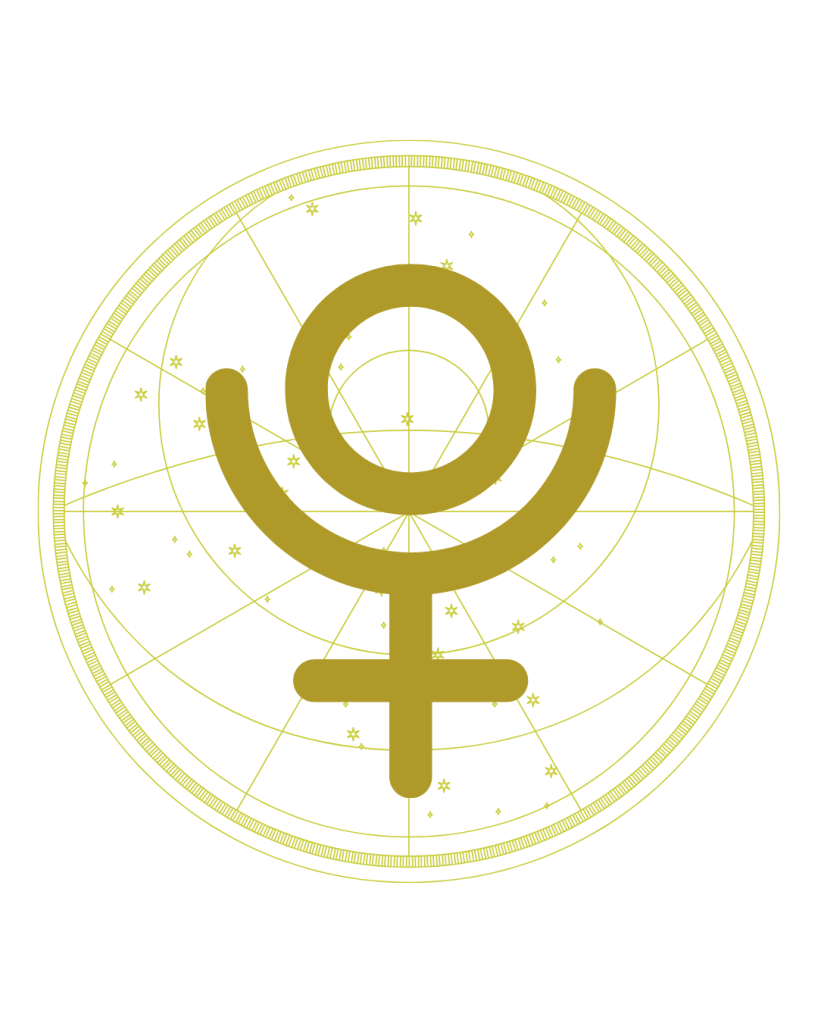
Pluto
Pluto rules transformation and power. This is the place of shadow, where you must face your deepest fears.
Lunar Nodes
The lunar nodes aren’t physical bodies but mathematical points where the Moon’s orbit intersects the Earth’s. They reveal your soul’s purpose and karmic lessons.

North Node
This points to the path you’re growing into. It’s where life feels uncomfortable but rewarding.

South Node
This reflects your comfort zone and past-life patterns. It’s easy to lean on, but not where growth happens.
Asteroids
Asteroids bring nuance and depth to a birth chart. You will notice that several of these celestial bodies are named after female deities. This is because of the feminine energy and hidden strengths these bodies preside over.

Ceres
Nurturing and motherhood

Chiron
Vulnerability and healing past trauma.

Pallas
Creative problem-solving and wisdom

Vesta
Devotion, purpose, and sacred sexuality

Juno
Power, partnership, and commitment
The Essential Dignities
You’ve probably caught on me tossing around terms like domicile, exaltation, and detriment. So you may wonder at this point: what do they actually mean?
A planet’s strength or weakness in your chart depends on the sign it’s in—that’s the essence of essential dignity. When a planet is in rulership or exaltation, its energy feels natural and powerful. In detriment or fall, that same energy might feel blocked or harder to access.
The system originally applied only to the seven traditional planets: the Sun, Moon, Mercury, Venus, Mars, Jupiter, and Saturn.
But in modern astrology, astrologers have extended dignities to the outer planets—Uranus, Neptune, and Pluto—even though these placements are still up for debate.
Because the outer planets are slower-moving and more generational, their dignities matter less for personality than their house placements and aspects to personal planets.
Curious how this shapes your chart? Learn more about the five essential dignities of each planet here!
Transits
Ever wonder why certain times in your life feel charged with change or growth? That’s transits at work.
As planets move through the zodiac, they interact with your birth chart, stirring up shifts in specific areas of your life. The house a transiting planet moves through reveals where you’ll feel the impact most.
This part gets a bit more advanced—it helps to know your Zodiac signs and Houses to really understand how transits affect you.
How the Planets Work Together
No planet works in isolation. The signs they’re in, the houses they occupy, and the aspects they form with each other create the complex patterns that define your life.
That’s why two people with the same Sun sign can feel so different. It’s the unique interpolations of each planet’s energy that make you you.
“We are born at a given moment, in a given place, and, like vintage years of wine, we have the qualities of the year and of the season in which we are born.” — Carl Jung
To the Stars, and Beyond…
Astrology is so much more than just reading your horoscope. Understanding the planets unlocks deeper insight into your personality, relationships, and life path.
Learn More About:
- 🔮 Zodiac Signs
- 🏠 Houses (Coming Soon)
- 📜 Astrological Aspects & Patterns (Coming Soon)
Every day is an opportunity to learn something new about yourself. Your journey has only just begun.